What Happens When Voters Learn Their Party Disagrees With Them?
New paper in Political Behavior: attitude manipulation and voting intentions
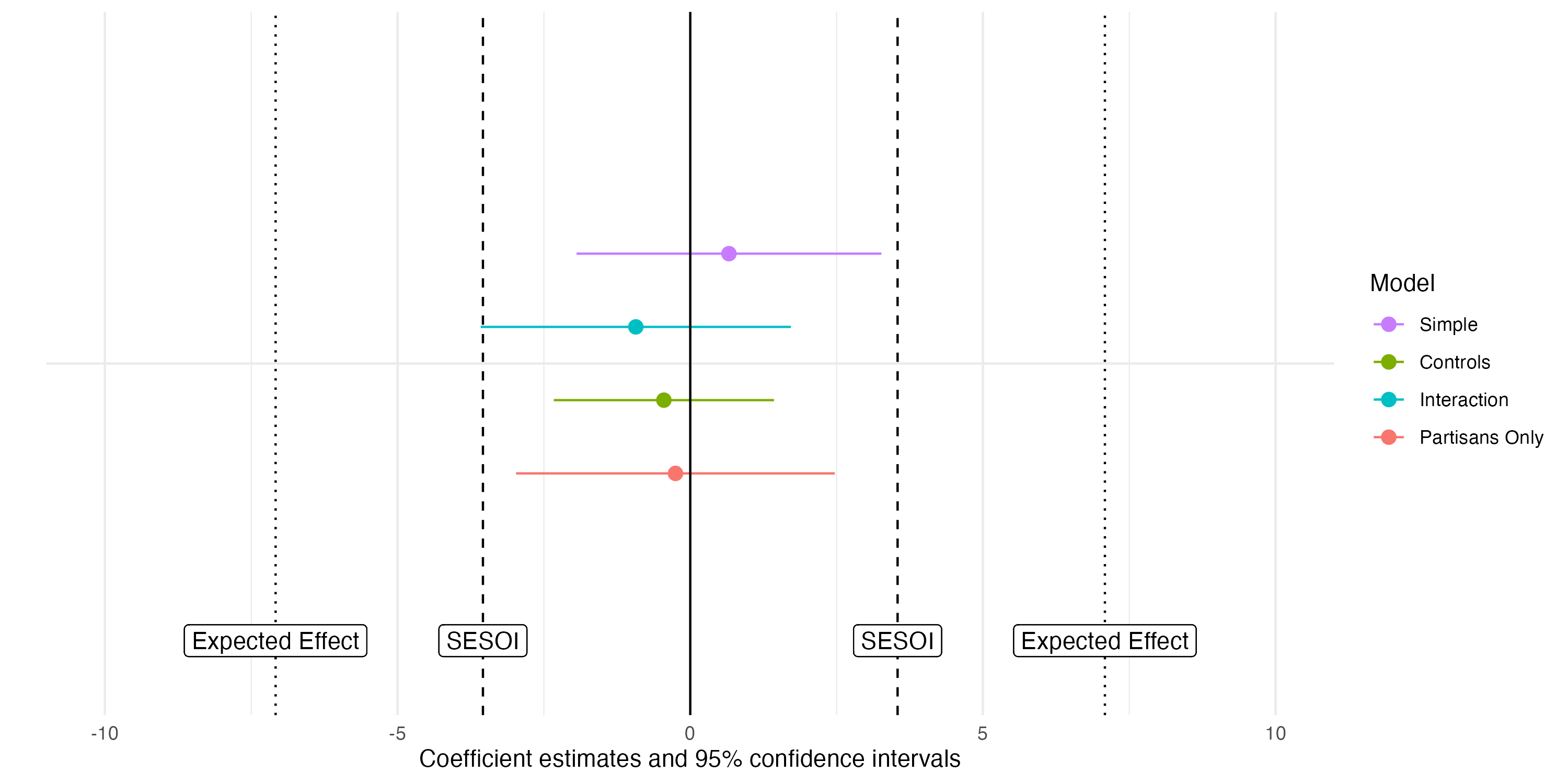
A pre-registered experiment with ~3,000 German voters shows that shifting voters’ policy attitudes does not shift their voting intentions — voters tolerate mild disagreement with their party.
My paper Attitude Manipulation and Voting Intentions is now in print (and open access) at Political Behavior. In it, I ask what happens when voters learn their party disagrees with them - and analyse the results of a pre-registered experiment with a representative sample of ~3,000 German voters to find out.
I hypothesized that voters would either (1) adjust their own views to match the party, or (2) adjust their party preference to match their views. Specifically, I expected partisans to shift their attitudes toward their party’s position, while non-partisans would shift their voting intentions.
In the study, I exposed voters to news articles that shifted their views on a policy issue, then showed them their preferred party’s (or another party’s) position on that same issue. I measured how their attitudes and voting intentions changed.
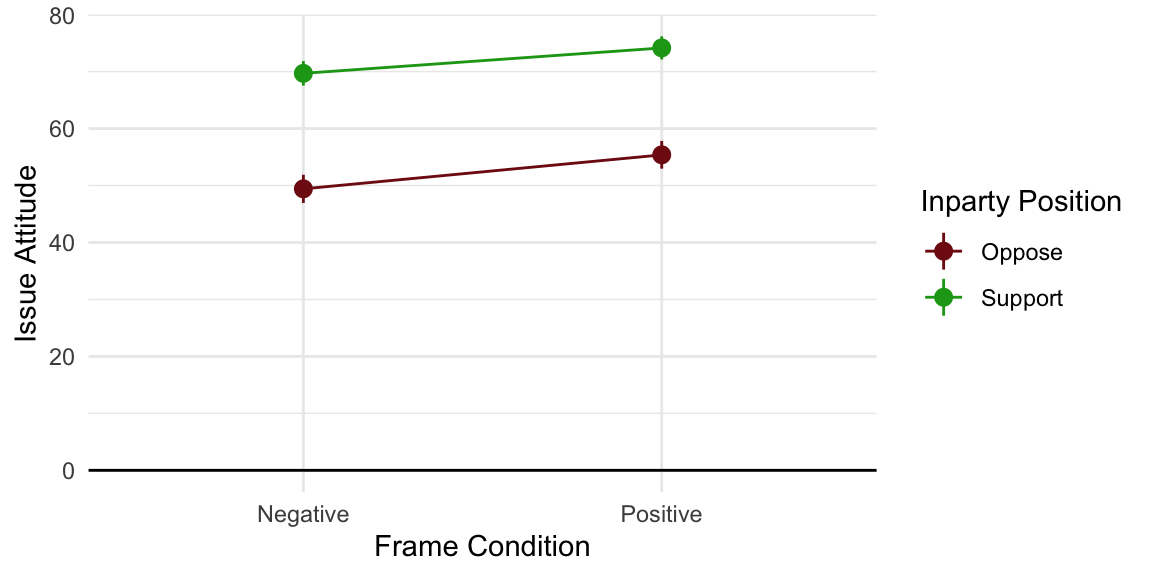
The finding: voters’ changing preferences do not translate into voting intentions. Instead, the results suggest that voters do not experience substantial cognitive dissonance when their party’s position differs from theirs, and generally tolerate mild disagreements with their party’s position.